Ice Dams and Roof Repair in Cleveland, OH: What Homeowners Need to Know in 2026
Ice dams are one of the most common and costly winter hazards facing Cleveland homeowners. Every winter, homes across the West Side, Lakewood, Rocky River, and surrounding neighborhoods face repeated cycles of heavy snow, freezing temperatures, and sudden warm-ups that put roofs under serious stress. Understanding how roof repair in Cleveland, OH, connects to ice dam prevention can save you thousands. This guide covers how ice dams form, what damage to watch for, and when to call a professional.
How Lake-Effect Snow and Freeze-Thaw Cycles Create Ice Dams
Cleveland roofs face ice dam risk every time temperatures swing above and below freezing. Sitting just south of Lake Erie, cold Arctic air picks up moisture from the warmer lake and dumps heavy, wet snow on neighborhoods from the West Side to Lakewood.
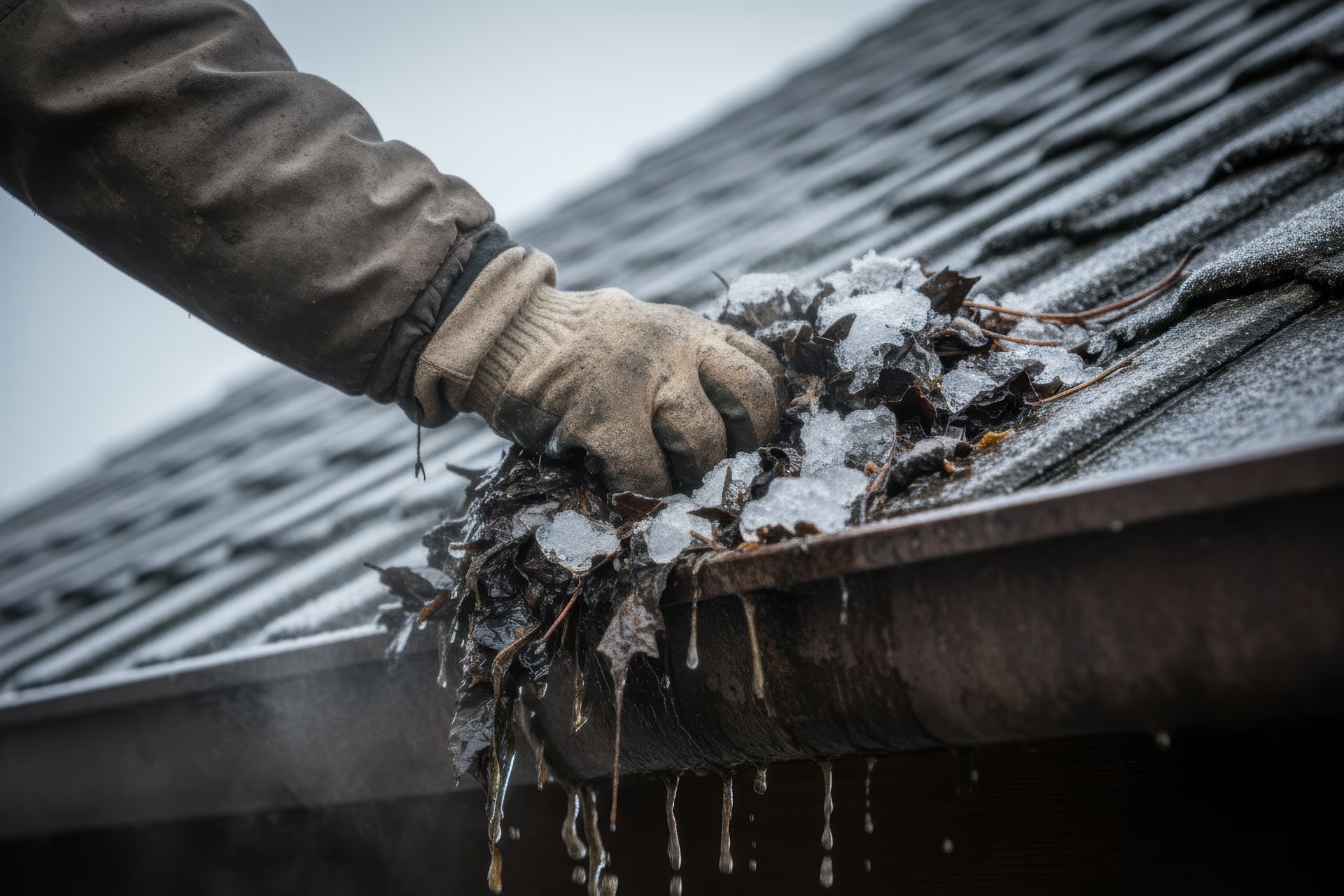
Heat escaping from your living space warms the upper roof deck, melting snow that runs toward the cold eaves and gutters. When meltwater reaches those colder edges, it refreezes and forms a ridge of ice. As more meltwater backs up behind it, water seeps under shingles and into your home.
Cleveland's freeze-thaw cycles compound the problem. Temperatures can drop into the teens overnight and climb above freezing by afternoon, causing repeated melting and refreezing. Each cycle stresses roofing materials and creates new opportunities for water to penetrate.
Signs of Ice Dam Damage on Your Cleveland Roof
Interior warning signs:
- Water stains on ceilings or walls near exterior edges of the home.
- Damp or discolored drywall in upstairs rooms.
- Musty odors in the attic or upper floors.
- Peeling paint near exterior walls.
Exterior warning signs:
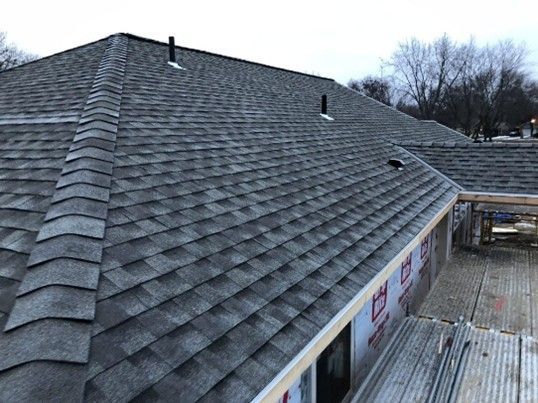
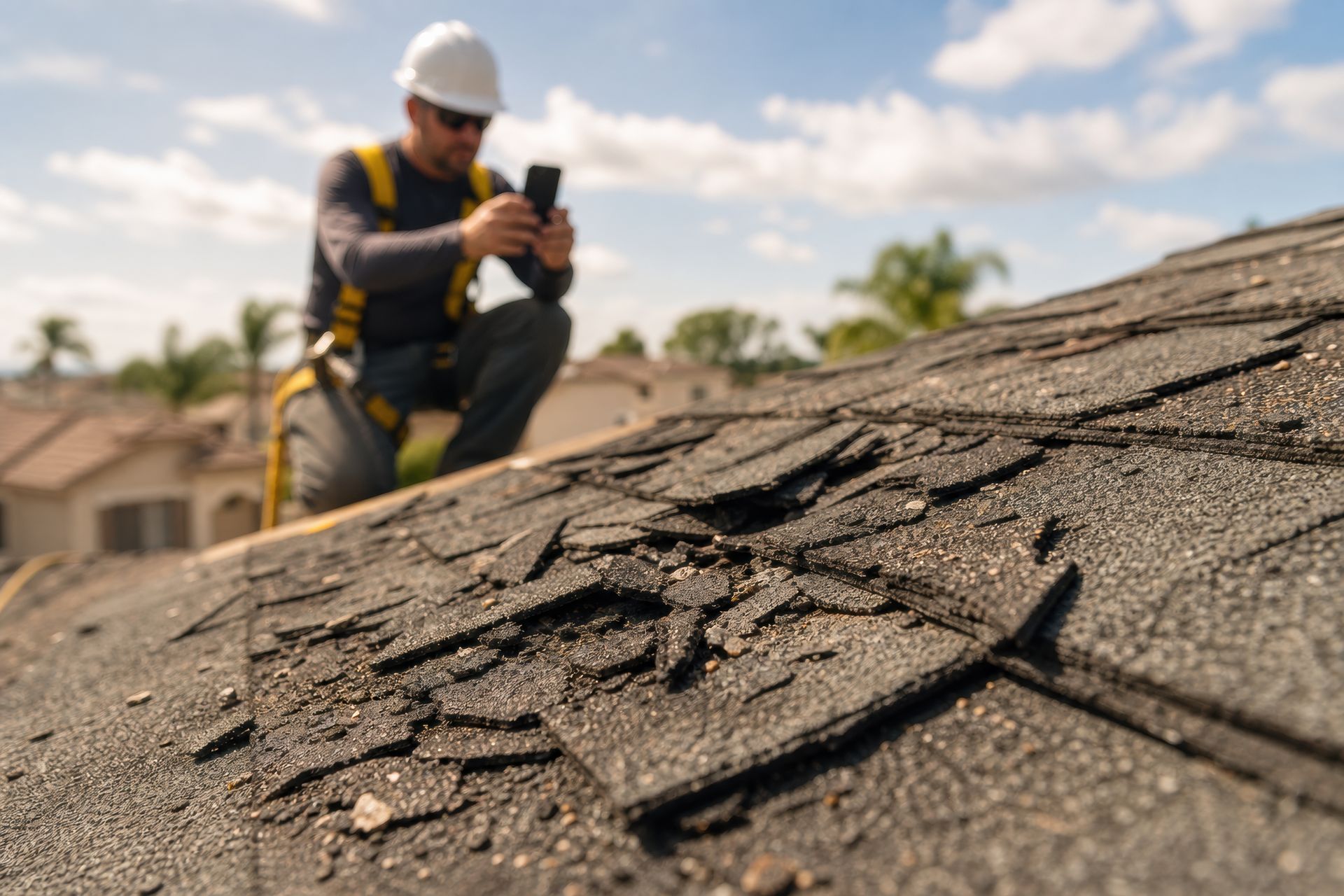
- Lifted, curled, or missing shingles along the lower roof edge.
- Icicles forming along gutters, signaling water is pooling and refreezing.
- Gutters pulling away from the fascia under the weight of ice.
- Gaps or cracks in flashing around chimneys, vents, or valleys.
Homes in older Cleveland neighborhoods, including parts of Rocky River and Lakewood, often have less attic insulation than newer construction. If your home was built before 1980, scheduling shingle and flashing repairs alongside an attic insulation evaluation is a smart move.
DIY Prevention Tips vs. When to Call a Pro
Homeowners can take meaningful steps to reduce ice dam risk, but some situations require a licensed roofer.
DIY steps that can help:
- Use a roof rake to remove snow from the lower three to four feet of your roof after major storms, from the ground whenever possible.
- Add attic insulation to reduce heat escaping through the roof deck.
- Ensure your attic has adequate ventilation to keep the roof surface temperature even.
- Seal air leaks in your attic floor to stop warm interior air from rising into the attic.
When to call a professional:
- You see water stains or moisture damage inside your home.
- Shingles are lifted, cracked, or missing after a storm.
- Ice has spread behind your gutters and up the roof slope.
- Gutters are sagging or separating from the fascia board.
- You are unsure whether existing damage is cosmetic or structural.
Attempting to remove heavy ice with sharp tools can damage shingles and create new leak points. A roofer providing roof repair in Cleveland, OH, can safely assess what the ice dam has done before any additional work begins.
What About Ice and Water Shield?
Ohio building codes require ice and water shield underlayment on roofs in Northeast Ohio due to the region's severe winters. This self-adhering membrane goes under shingles along the eaves and in valleys, providing a watertight backup if water backs up behind an ice dam. Older homes reroofed before this became standard may lack this protection.
A Cleveland-Specific Seasonal Timeline for Roof Health
- October through November: Schedule a professional roof inspection before the first major snowfall. Check attic insulation, ridge vents, and soffit ventilation. Clear gutters of debris so water drains freely.
- December through February: Monitor your roof after each significant snowfall. Remove accumulation from lower eaves with a roof rake when safe. Watch for icicle buildup along gutters after days above freezing.
- March through April: Inspect the roof once snow melts. Look for lifted or missing shingles, granule loss in downspouts, and interior water stains. This is the ideal time to arrange winter damage repairs while contractors have availability before the busy spring season.
- May through September: Complete needed repairs while weather is stable for lasting results.
Does Homeowners Insurance Cover Ice Dam Damage?
Many standard policies cover sudden and accidental water damage from ice dams, but damage from long-term neglect may not be covered. Document any damage with photos as soon as you notice it and contact your insurer before starting repairs.
How Do I Know if My Roof Needs Repair or Full Replacement?
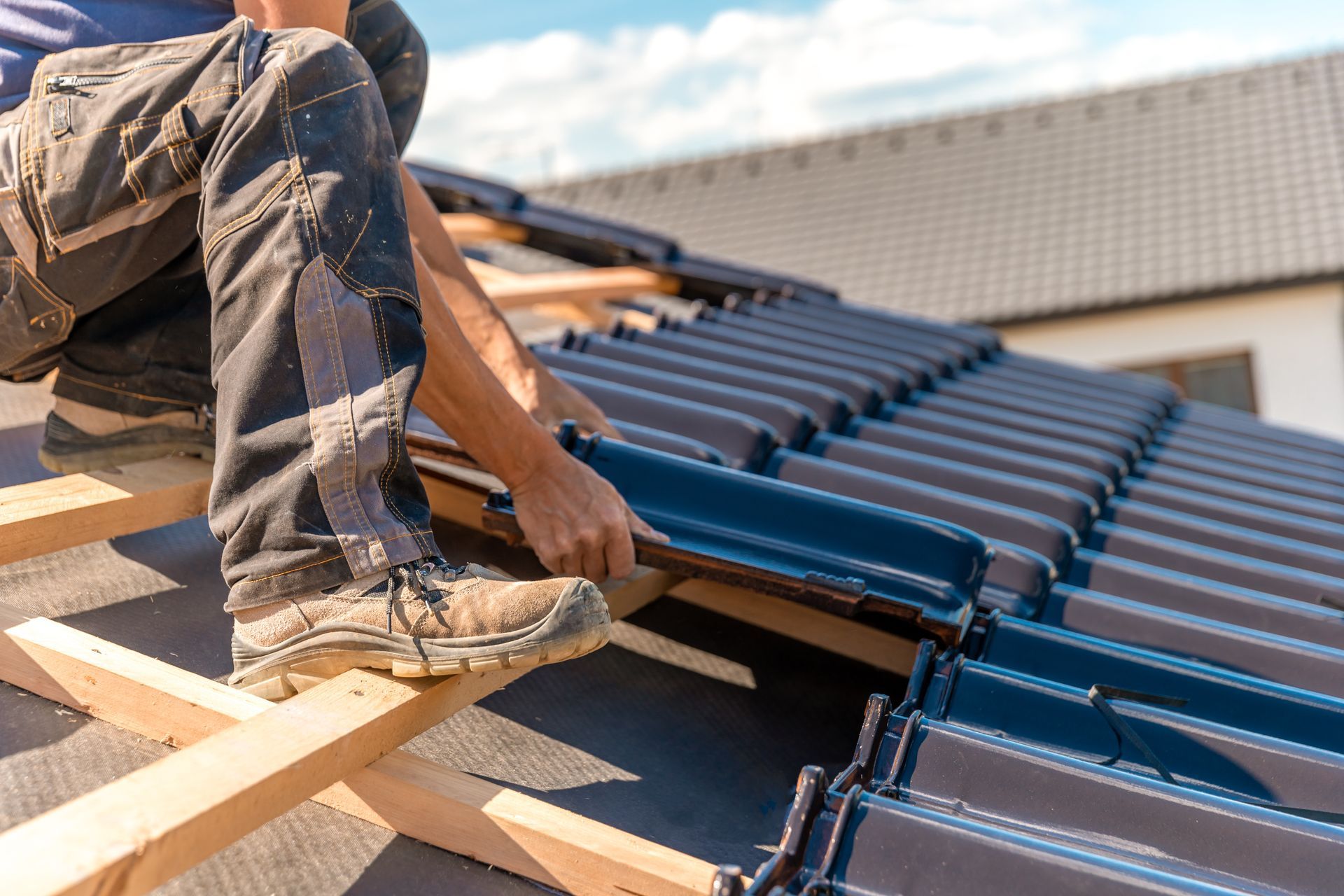
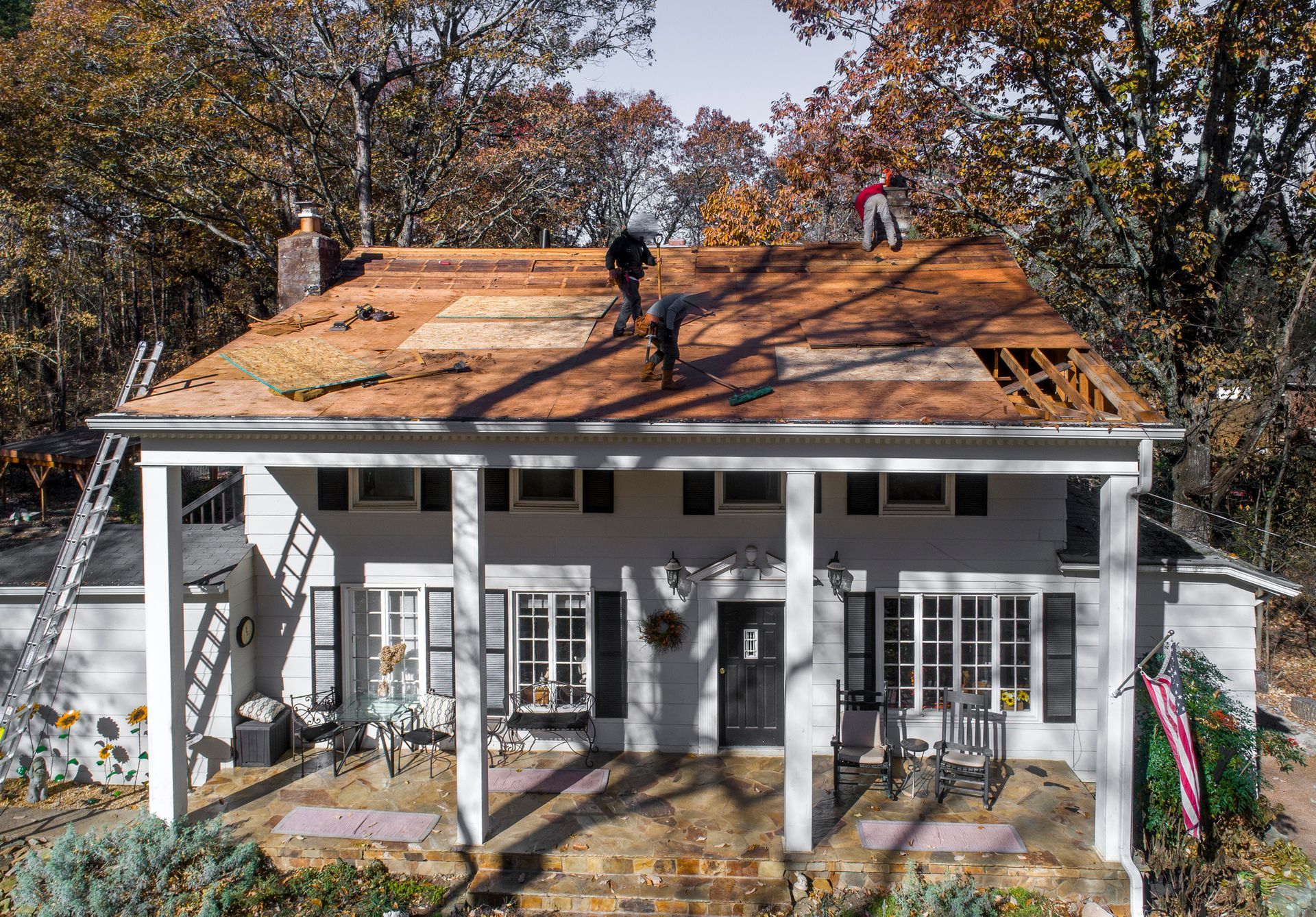
Minor damage, such as a few lifted shingles or compromised flashing, may be addressed with targeted roof repair in Cleveland, OH. Widespread granule loss, multiple leak points, sagging decking, or an aging system may indicate that full replacement offers better long-term value. A licensed contractor's inspection will give you the clearest picture.
Get Expert Help From a Team That Knows Cleveland Winters
Ice dam damage does not always reveal itself immediately, but acting early can mean the difference between a minor repair and a major restoration. Ohio Roofing Siding and Slate, LLC serves Cleveland, OH, and surrounding communities including Lakewood, Rocky River, and the West Side with professional roof repair in Cleveland, OH, that addresses winter damage at its source.
Request a free inspection through our contact page or explore our full range of roofing services to learn how the team can protect your home year-round. Call (216) 862-4553 to speak with a local roofing expert today, or find Ohio Roofing Siding and Slate, LLC on Google at Ohio Roofing Siding and Slate, LLC.